


Apparently, I Had Eight More Pages to Say.

I turned in my book report.
And then, apparently, I had eight more pages to say.
That probably tells you something about my week.
I am tired. Overwhelmed. A little grumpy. There are books, papers, responsibilities, and thoughts scattered across nearly every available surface—including the inside of my head. I finish one thing and remember three more. Somewhere in the middle of it all, I would like a quiet afternoon with absolutely nothing asking anything of me.
Preferably with a matcha.
But beneath the tiredness, something good has been happening. Something I am still trying to find the words for.
Dr. Watson’s church history hybrid was beyond amazing.
Before we gathered, I worried about walking into a room again after spending so much of my life within the boundaries of caregiving. I wondered whether conversation would come easily. Whether I would feel comfortable. Whether I would remember how to be the version of myself who could walk into a gathering without rehearsing it first.
Then I got there.
The atmosphere he had described in his email—the care, the honesty, the invitation to bring ourselves into the room—became something I could experience.
We studied history. We also brought our own histories with us. There was room for questions, for conviction, for the stories that shape how we hear what we are learning.
I am still carrying that experience home.
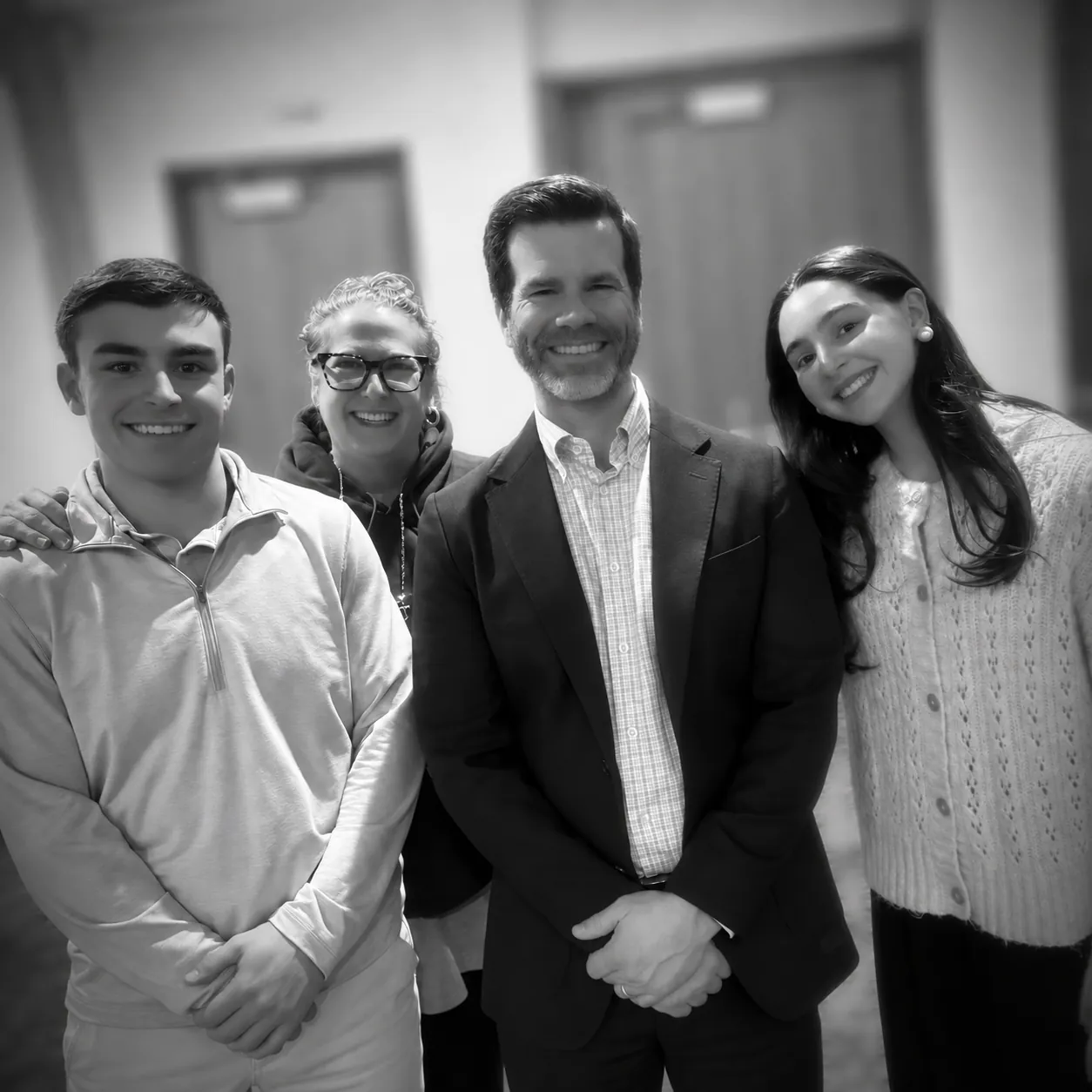
One of the things I took away was a renewed willingness to stand firmly in my convictions. To examine them honestly, certainly. To keep learning. But also to speak when something troubles me, even when I have not yet found a perfectly polished way to explain why.
That became particularly important as I continued thinking about Mekdes Haddis’s A Just Mission.
I had completed my book report. I had worked to understand the argument, engage the material, and meet the assignment.
But I was still wrestling.
There were things in the book that deserved serious consideration. Questions about power, whose voices are heard, and whether the people receiving help have any meaningful say in what that help looks like. Those are questions worth asking, especially when we attach the name of Christ to our work.
There were also parts that bothered me enormously.
I struggled with passages I experienced as making sweeping judgments about white men and their role in the problems she describes. As I read, I kept wanting more distinctions. More context. More room for the differences between particular people, particular decisions, and entire groups.
I wanted to ask: Who, specifically? In what circumstances? What else belongs in this account?
There were places where I felt important historical facts and context were missing. Those omissions affected how I received the argument. I found myself questioning whether the account gave readers enough information to assess its conclusions fairly.
That matters to me.
History involves real harm, real responsibility, and real people. I want us to tell the difficult parts honestly. I also want us to take care with the reach of our conclusions. The details we include—and the details we leave out—shape what a reader comes to believe.
I cannot claim to know every reason behind an author’s choices. I can say that, as a reader, I sometimes felt guided toward a verdict before I had been given enough of the story.
And I had a strong response to that.
Then came another uncomfortable question.
Why was I so worried about saying so?
Why did I feel the need to rehearse my disagreement, soften every edge, and check whether I was somehow wrong simply for being troubled?
Part of it is that I care how my words land. I do not want to dismiss someone’s experience. I do not want a disagreement with an argument to become an attack on the person making it. And I know that my own experiences shape what I notice, what I resist, and what I may fail to see.
Those are reasons to write carefully.
But I began to realize how easily carefulness can become silence.
Haddis put her convictions into print. She offered them publicly, knowing readers would encounter them, consider them, and respond.
Why, then, did I feel guilty about having a response?
Why did her confidence make me question whether I was allowed to express my own?
I can acknowledge the importance of her perspective while questioning the way an argument is framed. I can learn from a book and still think parts of its account are incomplete. I can take someone seriously enough to disagree with her at length.
Apparently, at eight pages of length.
That is where Dr. Watson’s class met me again.
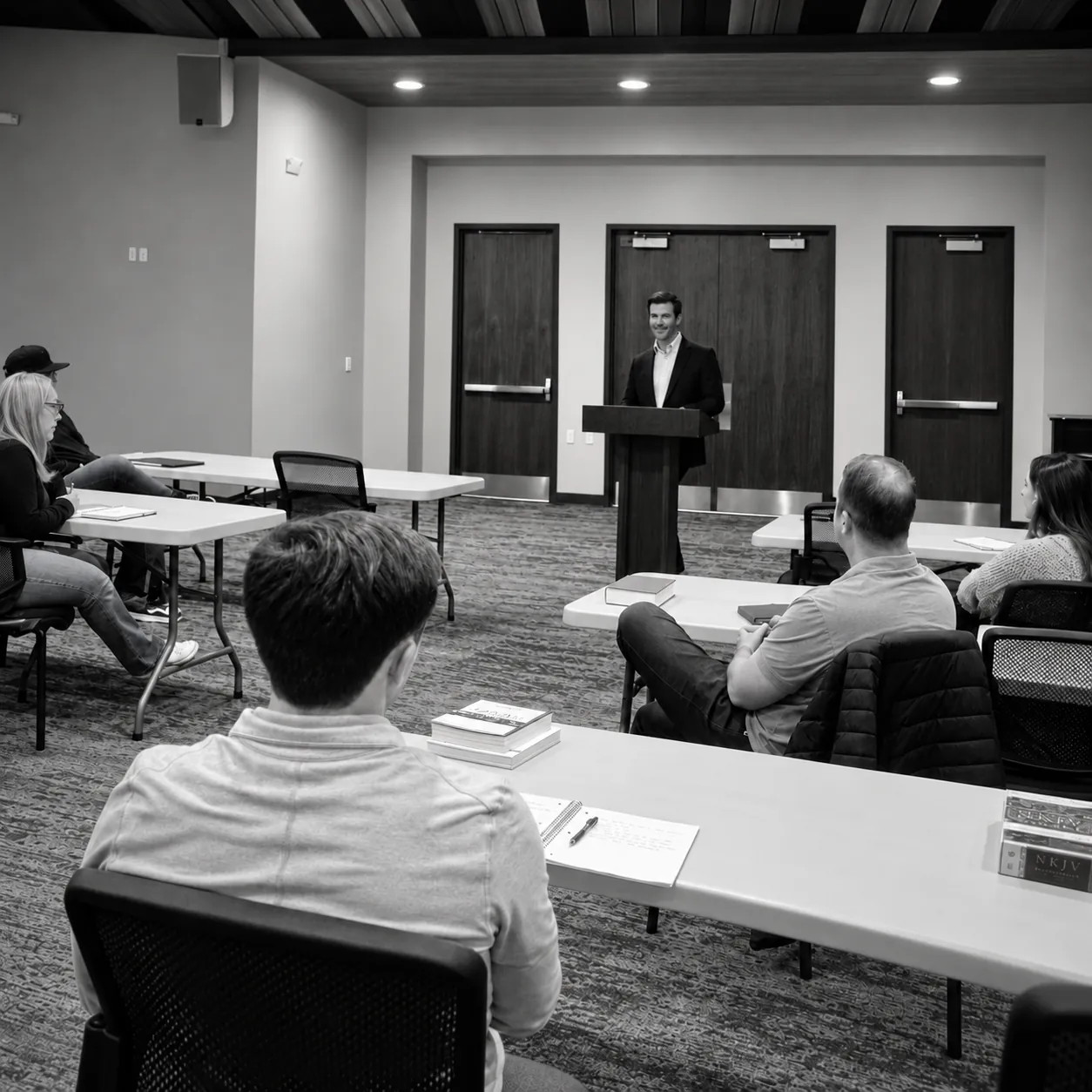
What I carried away from those days together gave me courage to return to my own words. I wanted to understand what I believed and explain why. I wanted to examine my reaction rather than leave it sitting there as a frustrated feeling.
So I wrote an addendum.
Eight pages of continuing the conversation after I thought the assignment was finished.
Writing it made me slow down. A feeling can arrive all at once; explaining it requires more work. I had to ask what, precisely, had bothered me. Which conclusions I questioned. What context I believed belonged alongside them. Where my disagreement came from, and whether I could express it clearly.
Some of that work was uncomfortable.
Some of it was deeply satisfying.
I am returning to school at a point in life when I have already lived enough to know that people and their stories rarely fit neatly inside an argument. I bring those years into my reading. I bring questions, memories, convictions, and experiences that did not begin with the first page of a textbook.
I expect seminary to stretch me. It already has.
I am discovering that being stretched sometimes means reconsidering an assumption. Sometimes it means finding better language for something I have believed for years. And sometimes it means discovering the courage to say, “I have listened carefully, and I still disagree.”
I want to be able to say that with substance. With fairness. With enough humility to keep listening after I have spoken.
But I do want to speak.
That may be part of why this week has felt so full. Alongside everything waiting at home, there has been this work happening inside me: learning, questioning, finding my footing, and realizing that my voice still has somewhere to go.
For a woman whose world has become small in so many practical ways, that is a considerable thing.
Tonight, I am grateful for the class. Grateful for a professor whose example helped me feel braver. Grateful that I can still become absorbed enough in a question to lose track of how many pages I have written.
I am also tired, overwhelmed, and still a little grumpy.
Both things can fit on the same page.
Although, in my case, they may require eight.