


The Stories We Carry Into the Room
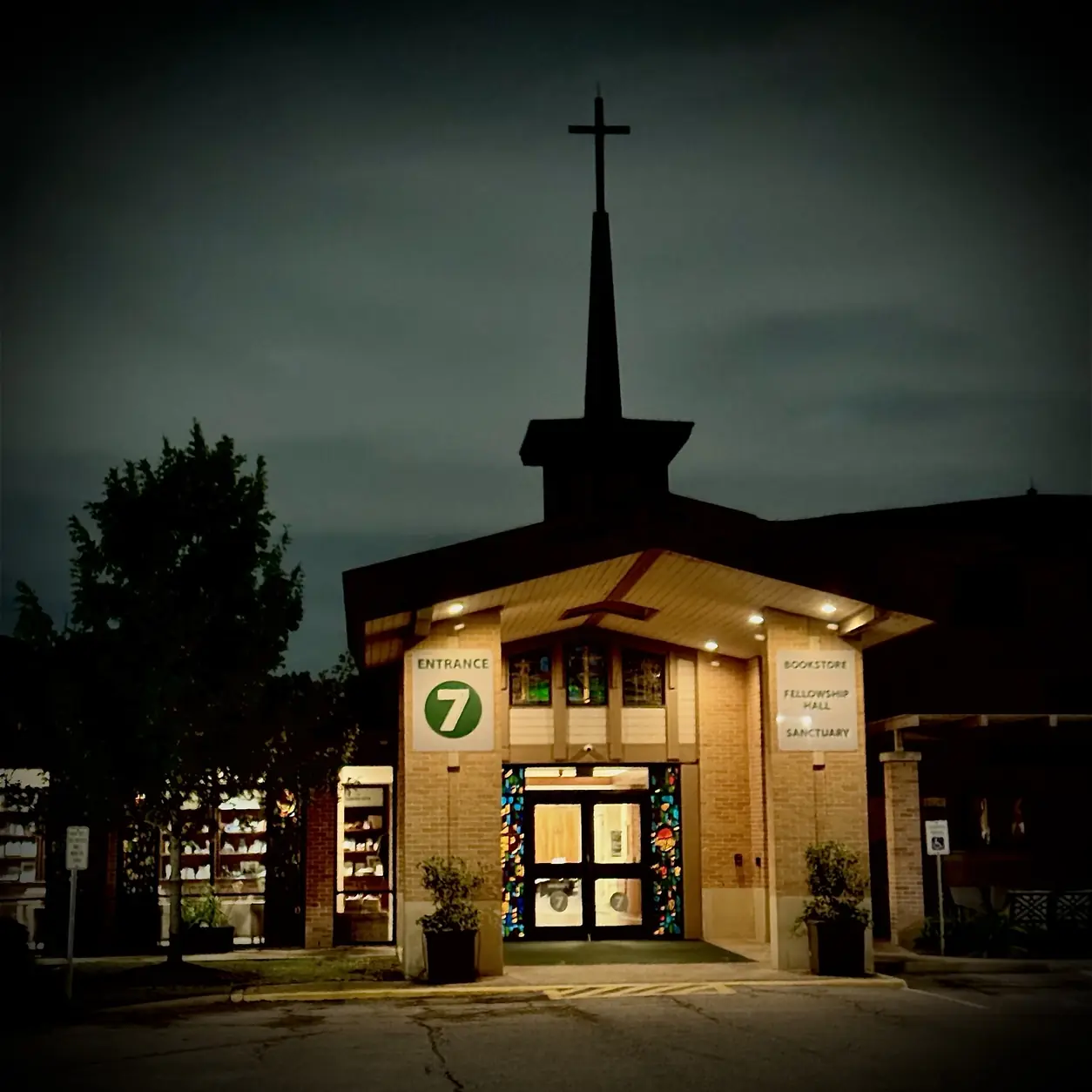
I walked into a room expecting to listen.
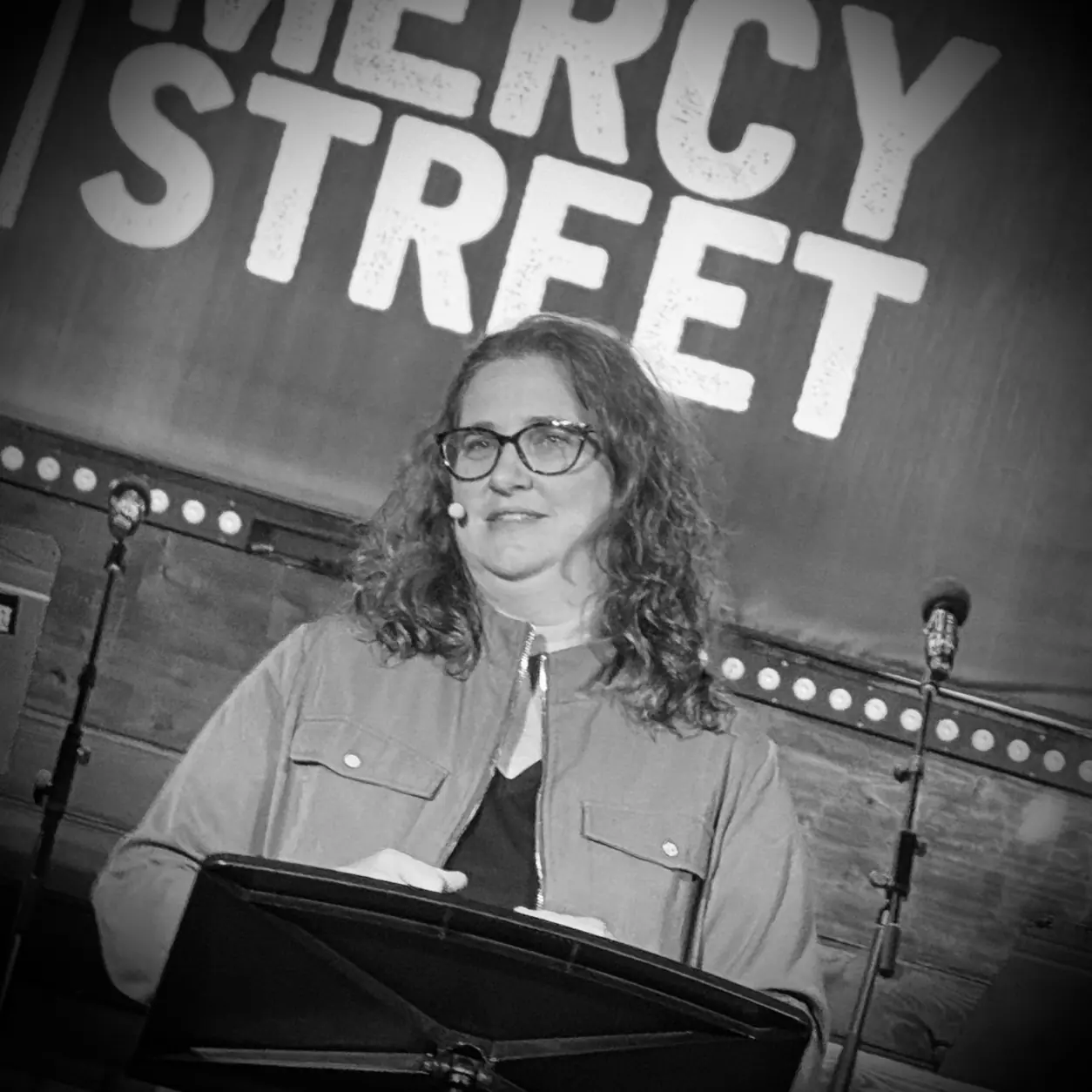
I had my questions, my curiosity, and my reasons for being there. I was visiting Mercy Street as part of my seminary ethnographic research, hoping to better understand how a community creates a sense of belonging for people who have experienced addiction, recovery, church hurt, and the sometimes painful realities of life.
I thought I would be observing.
I wasn’t prepared for how much I would feel.
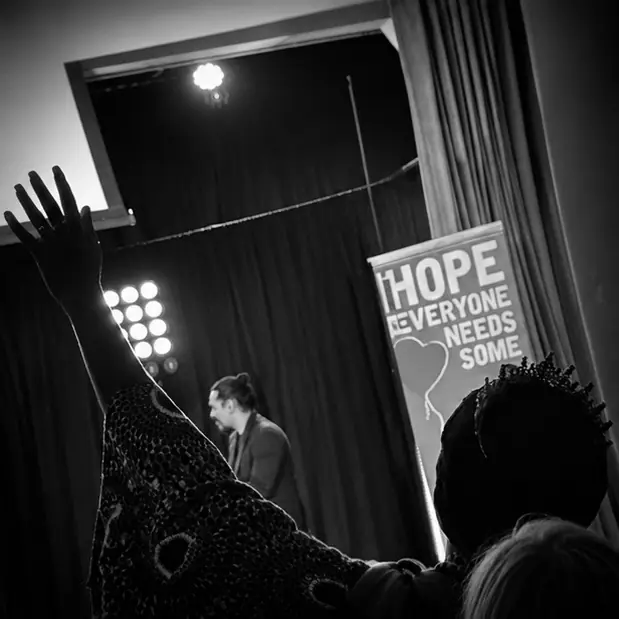
After the worship service, I attended a breakout session focused on spirituality and recovery. People gathered together, and one by one, stories began to unfold.
Stories of alcohol. Drugs. Relationships. Lives that had unraveled. Lives that had to be rebuilt.
Some spoke of the tremendous difficulty of breaking free from addiction. Others described the painful realization that getting sober sometimes meant walking away from people they loved, people they had known for years, people who had become an albatross around their necks.
And sometimes, walking away meant starting over.
Completely.
I sat there listening, humbled and heartbroken.
There is something profoundly different about reading about addiction and sitting across from someone who has lived through it. Statistics cannot tell you what it feels like to lose everything. Textbooks cannot adequately describe the struggle of rebuilding a life when the very people and places that once felt familiar have become dangerous to your recovery.
And no amount of academic preparation can fully prepare your heart for the honesty of someone willing to tell you what it cost them to survive.
What struck me most was not simply the suffering.
It was the courage.
The courage to acknowledge what had happened. To speak about choices and consequences. To admit how difficult the journey continues to be.
And perhaps most importantly, the courage to tell those stories in a room full of other people.
There was no pretending that life had been easy.
No carefully polished version of the past.
Just people telling the truth about where they had been and what it takes to keep moving forward.
One person stayed after the gathering and shared a little more of their journey with me.
It was a deeply personal conversation, one that I will keep private out of respect for the trust they placed in me. But I walked away reminded that we rarely know the struggles someone else has endured or the courage it has taken them to reach where they are today.
I thought about how easily we pass people in grocery stores, sit beside them in church, or exchange pleasantries without ever knowing what happens when they close their front doors.
How much suffering can hide behind a perfectly ordinary day?
How many people are quietly fighting battles that no one around them can see?
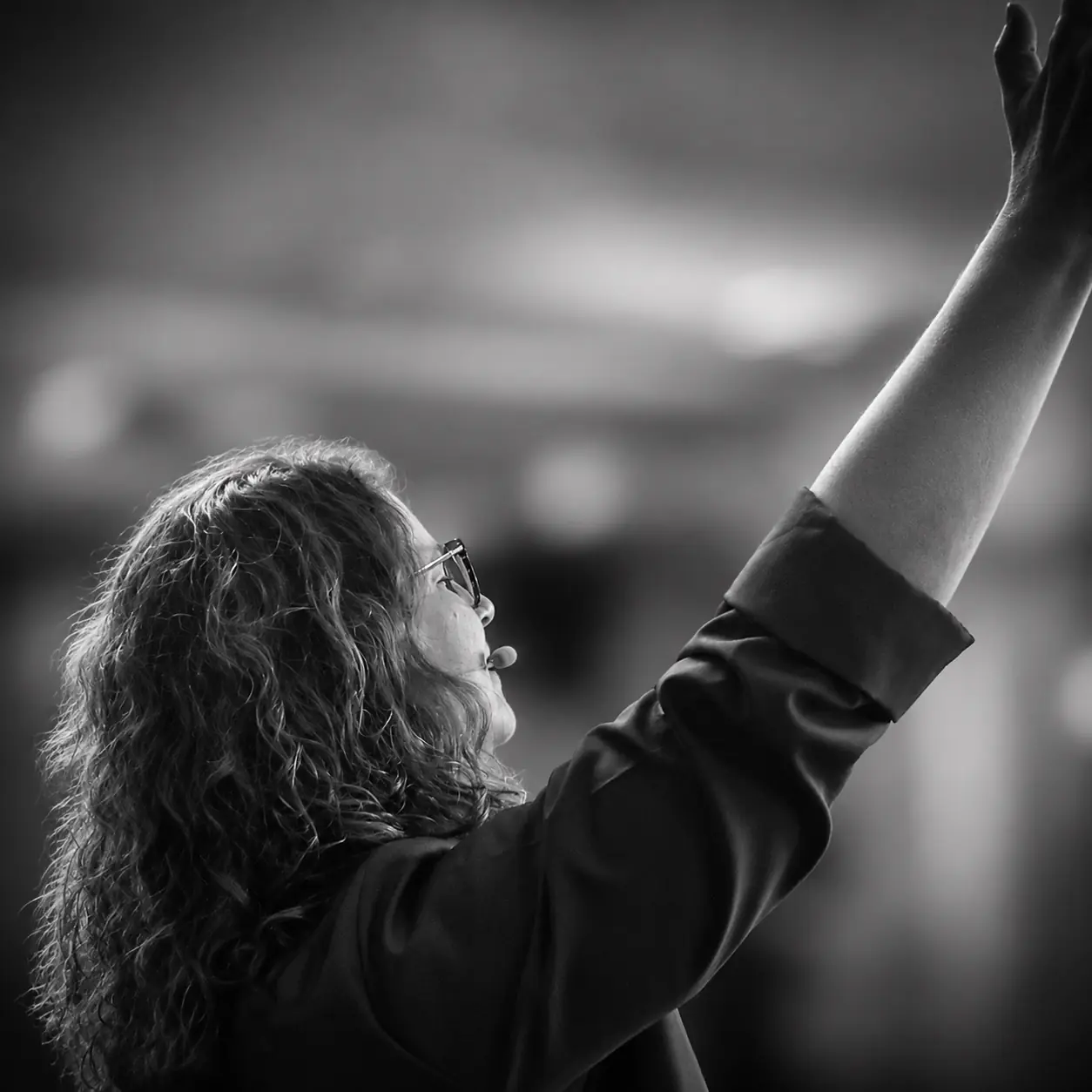
And then something happened that I hadn’t anticipated.
They asked me to share my story.
I had come to listen to theirs.
Suddenly, they were making room for mine.
I spoke about my husband. About the difficult journey we are navigating as his health continues to change. About being his sole caregiver and trying to understand what grace and forgiveness look like when the person you are caring for no longer remembers some of the things that hurt you.
I told them that I remember the harsh words.
The verbal abuse.
The pain.
But he doesn’t.
And somehow, I am trying to learn how to carry those memories while walking beside him through this new chapter of our lives.
How do you forgive someone who doesn’t remember what happened?
How do you extend grace while still acknowledging your own wounds?
How do you love someone through illness while carrying the weight of a past that only one of you remembers?
I don’t have all those answers.
I am still trying to find them.
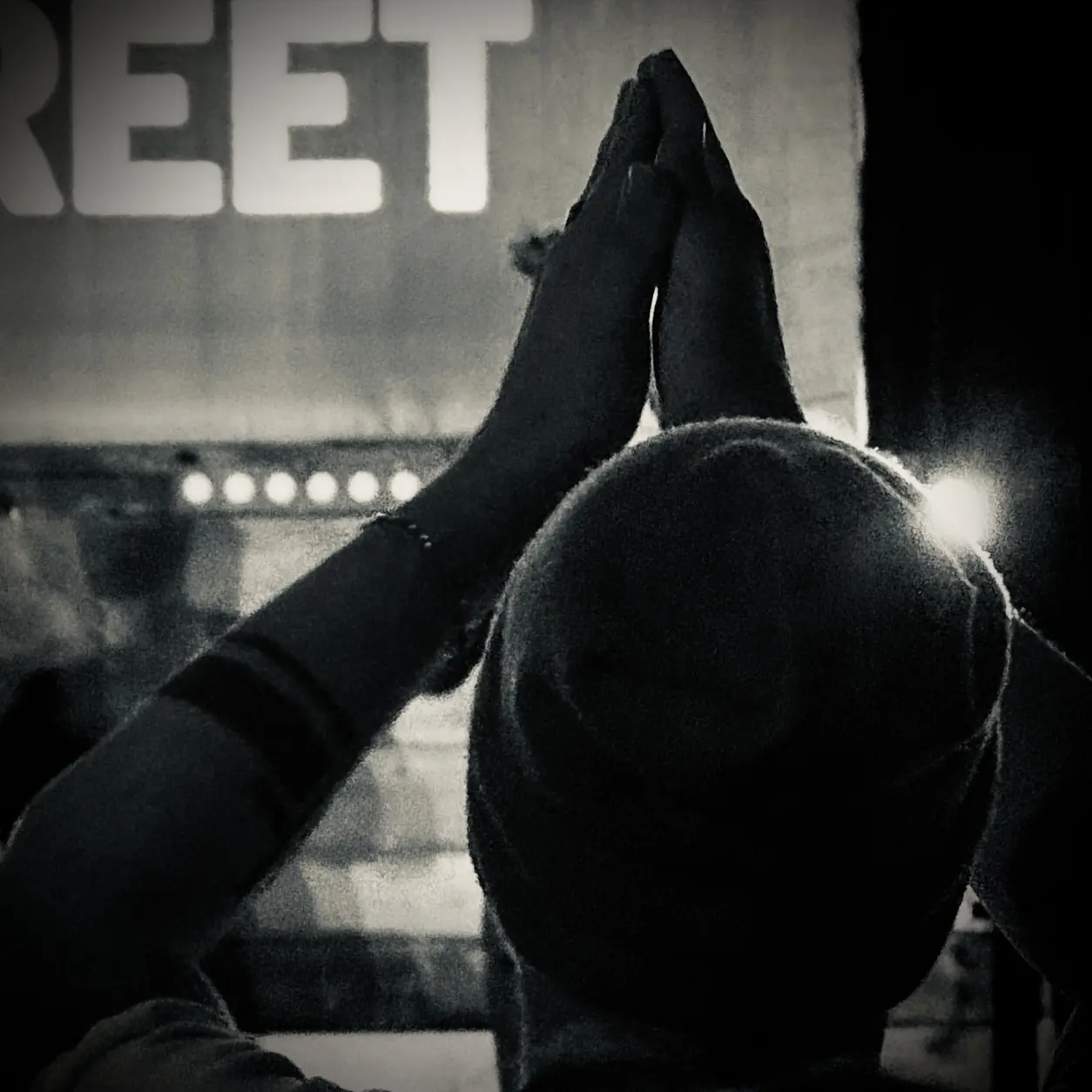
As I spoke, I noticed someone lower their head. Another person appeared visibly affected by what I was saying.
I couldn’t know what they were thinking.
Perhaps something in my story resonated with their own experiences. Perhaps it brought back a memory. Perhaps it meant something entirely different.
But for a moment, I was acutely aware that pain takes many forms, and none of us can know everything another person carries.
After the gathering, an older gentleman approached me.
He suggested that I consider attending an Al-Anon meeting.
I explained that, because of my caregiving responsibilities, leaving the house can be difficult.
He gently told me that meetings were available online.
I thanked him for his advice.
It was a brief exchange, but one I have continued thinking about.
I had entered that room hoping to understand how people in recovery find encouragement and support.
And there was someone offering encouragement and support to me.
Not because I had asked for it.
But because he had listened.
That small gesture stayed with me.
So did the stories.
The people who spoke of relationships they had to leave behind. The struggle to begin again. The willingness to acknowledge that recovery is not simply a chapter that closes neatly when someone decides to change.
For many, it is a daily journey.
A decision made again and again.
And sometimes, a battle fought quietly while the rest of the world goes about its business.
I left that gathering feeling two things at once.
Lighter.
And heavier.
Lighter because I had spoken aloud some of the things I carry.
Heavier because I had been entrusted with glimpses of other people’s suffering.
I don’t think I will ever forget the humility of that experience.
I had gone there with the expectation that I would learn something about a community.
Instead, I learned something about the people sitting in that room.
And perhaps a little something about myself.
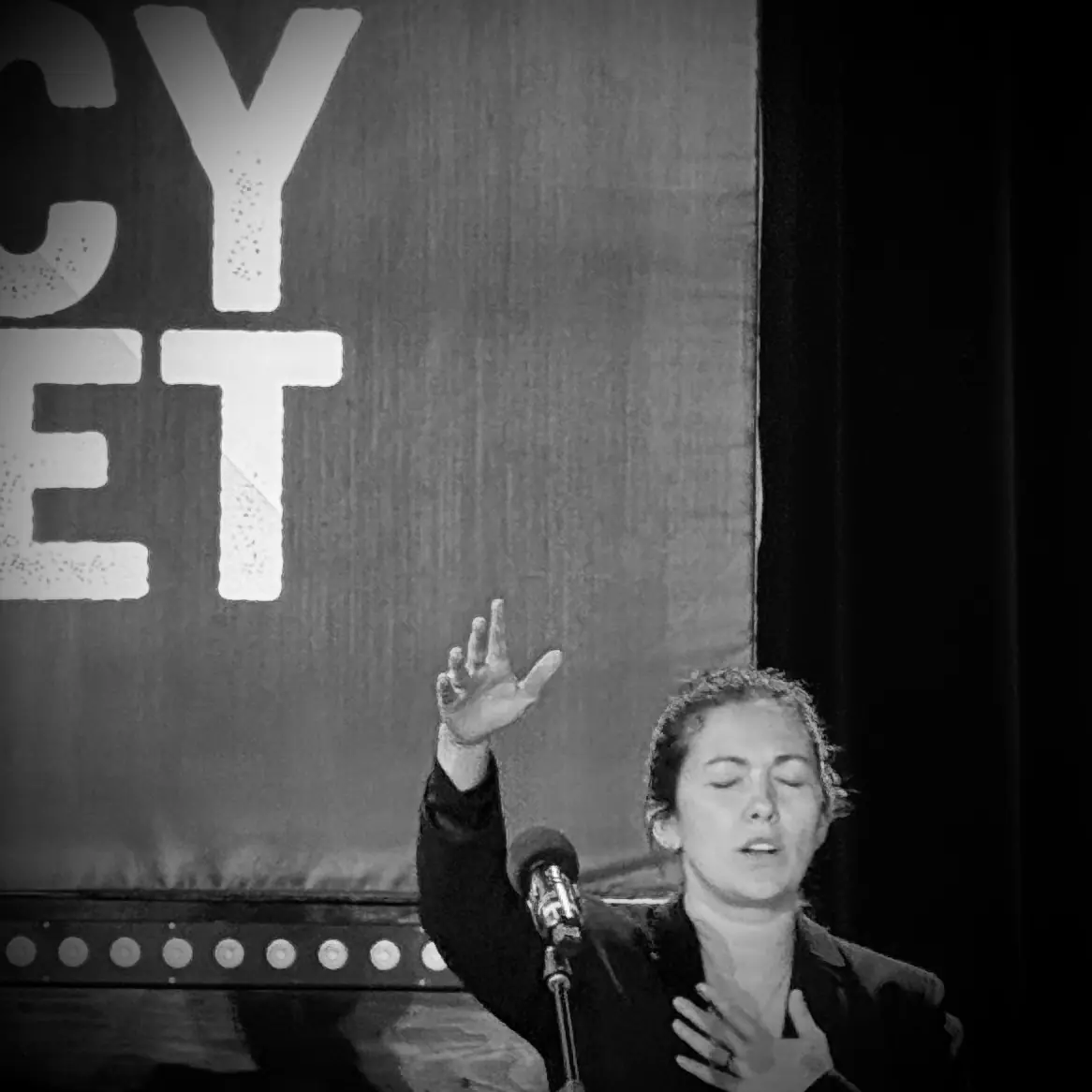
I am beginning to understand that belonging is not necessarily about having the same experiences, the same struggles, or even the same beliefs.
Sometimes it begins with something much simpler.
Someone tells the truth.
Someone else listens.
And somewhere in that exchange, a little of the distance between us disappears.
I went to Mercy Street to hear other people’s stories.
I never expected them to make room for mine.
And perhaps that was the most meaningful lesson of the evening.
Not that our stories are the same.
But that every one of us carries something.
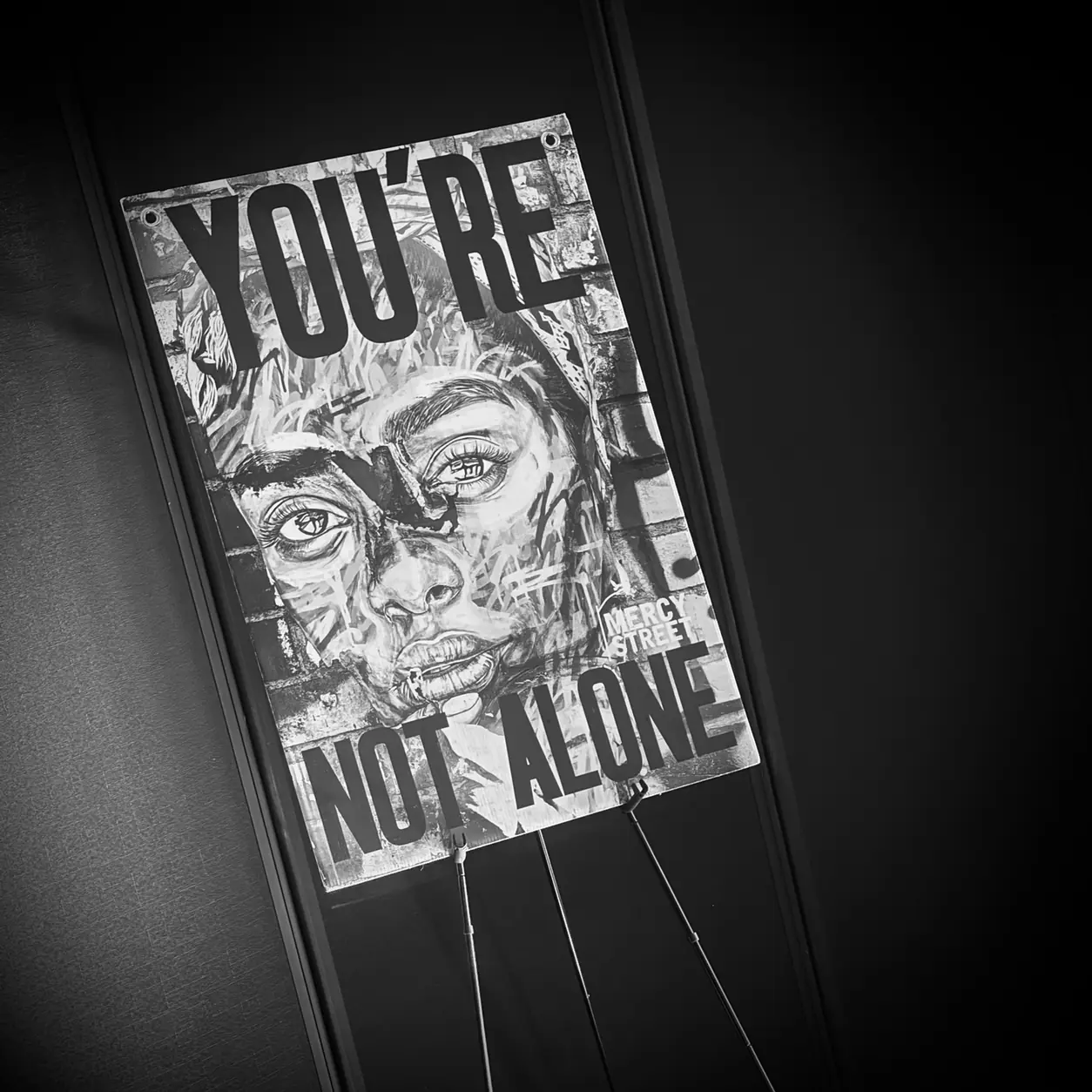
And sometimes, grace looks like a room where nobody has to carry it alone.
There are stories hiding inside ordinary things. Sometimes, they’re hiding inside the people sitting right beside us.